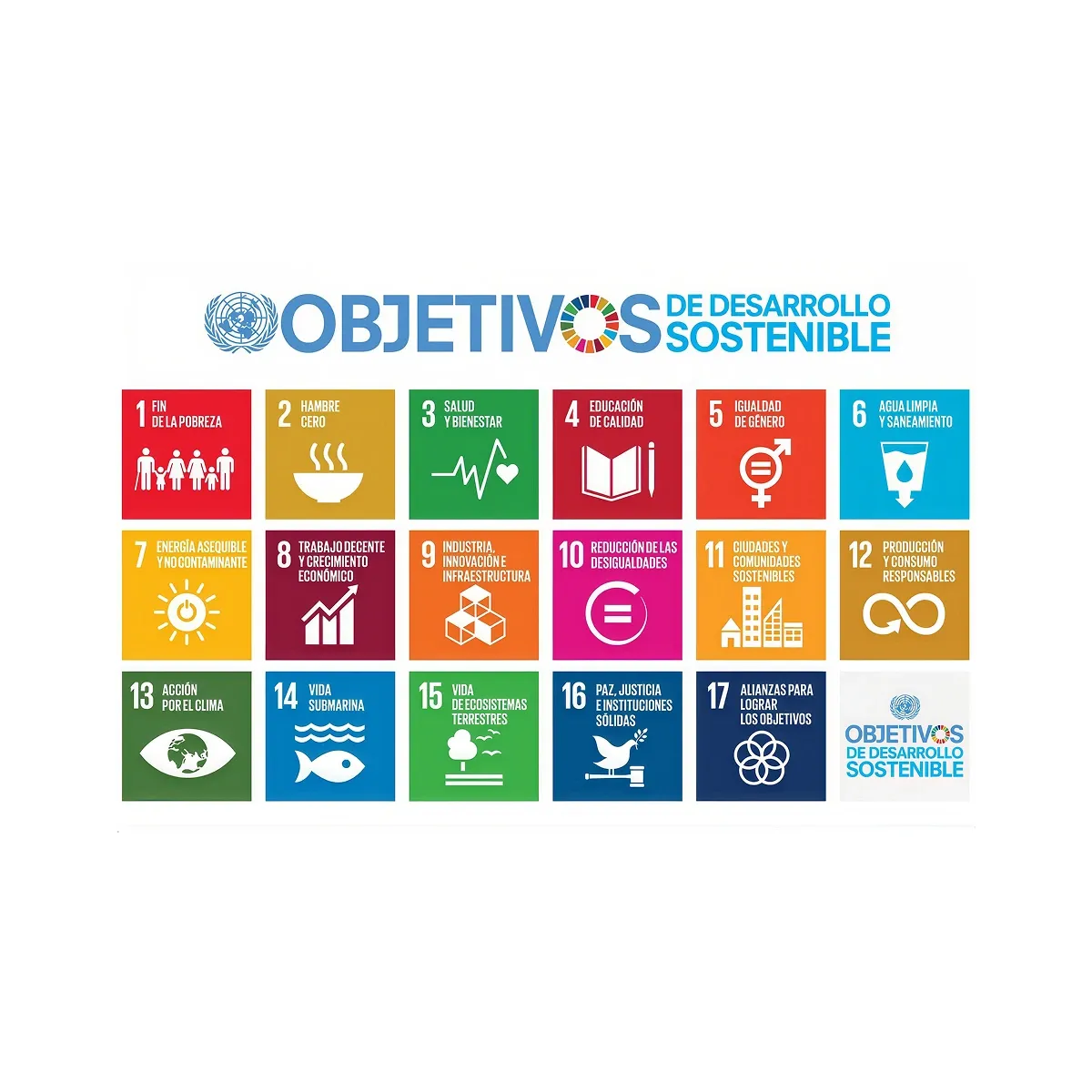

The Sustainable Development Goals represent some of the greatest challenges of our time and offer a unique opportunity for schools to nurture citizens committed to building a fairer, more inclusive and more sustainable future. To achieve this, it is essential to address these challenges through learning experiences that connect with students’ everyday lives and enable them to play an active role in finding solutions.
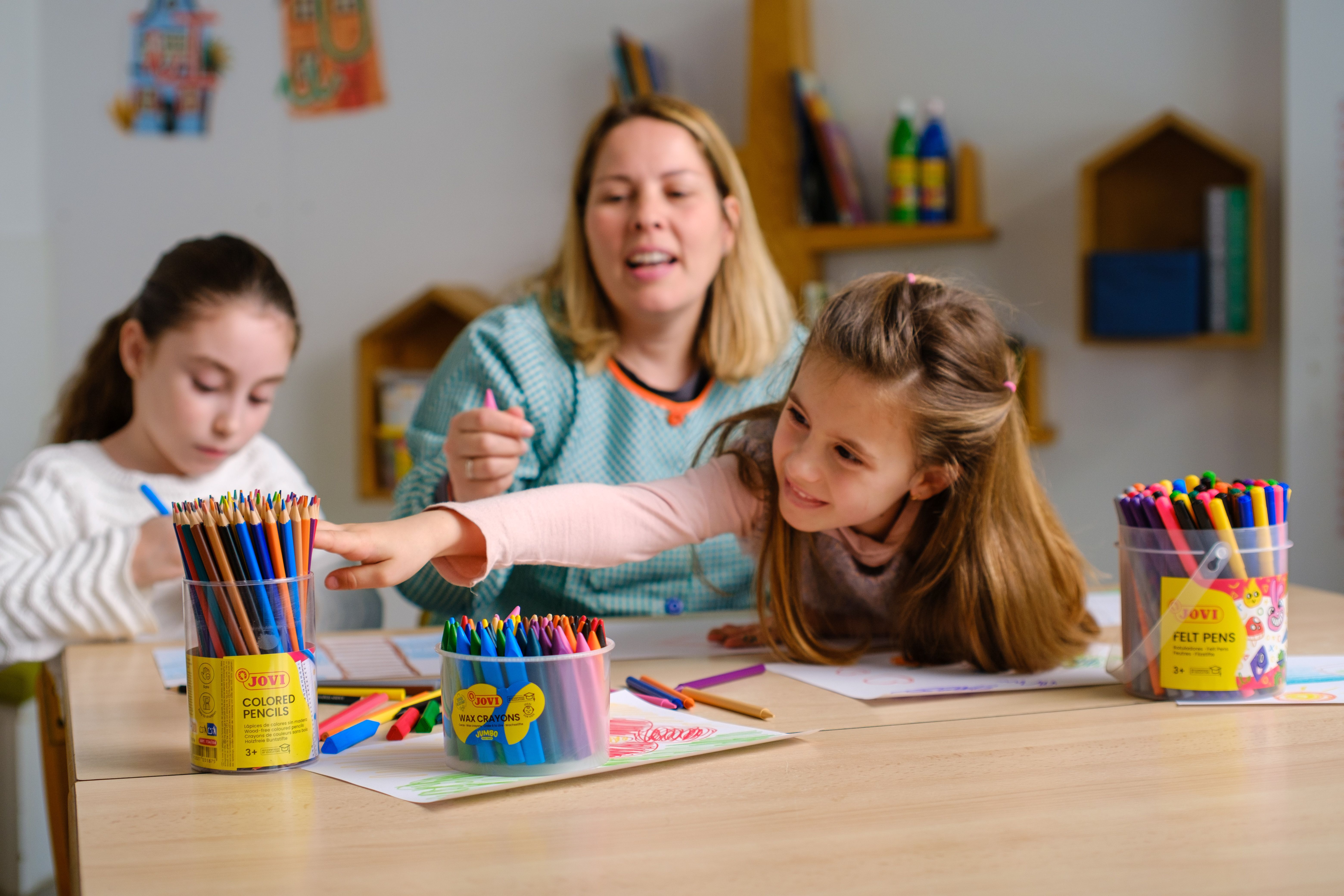
Project-based learning has established itself as one of the most effective ways to address the SDGs in the classroom because it transforms learning into a practical experience rooted in real questions, situations and needs. Through research, experimentation and collaborative work, students gain a better understanding of the issues affecting the world around them and discover that their actions can have a positive impact on the community.
This approach encourages deeper learning because students do more than learn about concepts related to sustainability: they apply them in meaningful contexts. When they analyse resource consumption in their school, design proposals to reduce waste or develop initiatives to promote equality and inclusion, the SDGs move beyond curriculum content to become a lived experience.